
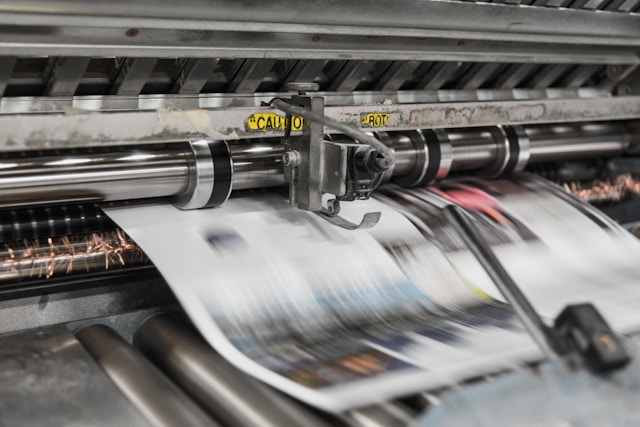

The printing industry has experienced significant and remarkable changes throughout the past decade, which have fundamentally altered the ways in which both businesses and individuals approach and manage their various document production requirements. Whether you are a student, professional, or small business owner, knowing modern printing methods can greatly improve your productivity and results. The shift from traditional analog processes to sophisticated digital solutions has opened doors to remarkable possibilities that, because technology has advanced so rapidly, were completely unimaginable just a few short years ago. This thorough guide explores practical strategies for improving your printing workflows, which will help you reduce waste and achieve superior results while requiring less effort and expense than traditional methods.
Why Modern Printing Techniques Matter for Your Workflow
Modern printing technology marks a significant shift from traditional methods that prevailed in offices and print shops for decades. Digital systems now offer unprecedented control over every aspect of the production process, from color accuracy to paper handling. Organizations that embrace these advancements, which fundamentally change how documents are produced, typically experience substantial improvements in turnaround times and cost management, allowing them to allocate resources more effectively across their operations.
The Evolution of Document Production Standards
Traditional offset printing, which relied on labor-intensive setup procedures that included the creation of custom plates and precise calibration of machinery, made small print runs economically unfeasible because the substantial upfront costs could not be justified when producing limited quantities of printed materials. Modern digital printing solutions completely remove these obstacles for businesses of all sizes. Businesses can now print the precise quantity required without minimum orders or costly plate setup. This flexibility is essential for companies with limited budgets or changing content requirements. Lower waste and energy use also support increasing environmental requirements across industries.
Understanding Quality Versus Speed Trade-offs
Many professionals assume that faster production inevitably compromises output quality. Modern equipment challenges this assumption directly. High-resolution inkjet systems and laser technologies deliver exceptional clarity at remarkable speeds. A detailed examination of contemporary publishing and printing developments reveals how technological breakthroughs have essentially eliminated the traditional quality-speed dichotomy. Professional-grade results now come standard, regardless of production volume or timeline constraints.
Key Benefits of Digital PDF Printing Solutions
The portable document format has become the universal standard for document sharing and archiving, which ensures that files remain accessible and unchanged regardless of the software or platform used to view them. Its consistent appearance across different devices and operating systems makes it ideal for professional applications. When PDF files are combined with advanced printing services, they unlock remarkable possibilities that can benefit businesses of all sizes, from small startups to large corporations seeking professional document solutions.
Consistency Across Multiple Print Runs
Digital files offer a key benefit: they can be reproduced with perfect accuracy. Digital workflows guarantee identical results every time, unlike traditional methods where each print run might vary slightly. This consistency is essential for brand materials, legal documents, and academic submissions where appearance matters greatly. Organizations with high-volume documentation benefit most, removing quality control issues from older methods.
Cost Reduction and Resource Management
Smart document handling directly impacts operational expenses. When you utilize professional pdf printing services, you gain access to commercial-grade equipment without capital investment. This approach proves especially valuable for occasional large projects or specialized finishing requirements that would otherwise demand expensive in-house capabilities. Additionally, professional services often negotiate bulk material pricing, passing savings along to customers through competitive rates.
Resource allocation gets significantly better when printing tasks are transferred to specialized service providers. Staff members who were previously occupied with time-consuming tasks such as equipment maintenance, supply management, and troubleshooting can, once these responsibilities are transferred to external providers, redirect their valuable attention and energy toward core business activities that directly contribute to organizational success. This reallocation often produces productivity gains that far surpass the direct cost savings from outsourced printing alone.
How to Optimize Your Document Preparation Process
Successful printing outcomes begin long before files reach any production equipment, since the groundwork that determines final quality must be established during the earliest stages of document preparation and file setup. Proper preparation eliminates common problems that cause delays, waste materials, and compromise final quality. Using systematic approaches to document creation delivers benefits across every project you undertake.
Following these preparation guidelines will help ensure optimal results:
1. Verify resolution meets minimum requirements, typically 300 DPI for photos.
2. Convert fonts to outlines or embed them in the document.
3. Include bleed areas when designs extend to page edges
4. Convert RGB images to CMYK and review color profiles as needed
5. Flatten transparency effects to prevent unexpected rendering issues
Educational institutions have demonstrated particular success with systematic printing approaches. A case study from the University of Minnesota showed how upgraded inkjet technology simultaneously reduced operational costs while improving output quality, proving that careful technology selection delivers measurable benefits.
Choosing the Right Print Service for Maximum Productivity
Choosing the right production partners demands thorough assessment of many factors beyond basic price comparisons. Service capabilities, turnaround reliability, and quality assurance protocols all influence ultimate satisfaction with results. Taking the necessary time to carefully assess these important elements before making final decisions prevents costly mistakes and disappointing outcomes that could otherwise negatively impact your project’s success.
Location is crucial for projects with tight deadlines. Local providers work best for urgent same-day jobs, while online services suit planned projects better. Many organizations work with both types of suppliers, assigning each project to the best option based on specific needs.
Technology continues advancing at remarkable speeds, with emerging three-dimensional printing innovations expanding possibilities even further. While traditional document production remains primary for most users, awareness of these developments helps organizations anticipate future opportunities and plan technology roadmaps accordingly.
Practical Tips to Streamline Your Printing Projects
Procedural improvements create significant gains in workflow performance beyond equipment and service choices. Small adjustments to daily practices, which may seem insignificant when first implemented, gradually accumulate into meaningful time savings and noticeably reduced frustration as weeks and months pass by. Think about applying these proven strategies within your daily operations for better results.
Batch processing similar jobs together significantly reduces the time required for setup and frequently qualifies for volume discounts, which can result in substantial cost savings for businesses that regularly handle large quantities of comparable work. Collect related materials and submit them together as unified projects instead of separately. This approach is especially effective for recurring needs such as monthly reports, quarterly publications, or periodic marketing updates.
Using standardized templates throughout your organization removes duplicate formatting tasks while maintaining consistent brand identity. Create master documents with the correct specifications already set up, then share these with all team members who produce printable materials. By dedicating time and resources to establishing proper organizational systems from the beginning, you can effectively prevent the countless hours that would otherwise be spent on tedious corrections and costly reprints at later stages.
Communication with production partners deserves careful attention as well, since maintaining clear and consistent dialogue with those who help bring your projects to life can significantly influence the quality of final outcomes. When working with production partners, clearly specifying requirements from the outset, asking detailed questions before any submission is made, and requesting proofs for critical projects are essential practices that help prevent costly misunderstandings, which would otherwise waste valuable time and resources. Strong provider relationships unlock extra support and priority handling.
Your Path to Smarter Document Production
Adopting modern printing methods offers a simple way to boost productivity and reduce workplace challenges. The strategies outlined in this guide offer practical starting points for organizations at any stage of their improvement process. Start by assessing your existing processes, pinpointing problem areas, and making specific improvements where needed. Even modest changes often yield surprising benefits once accumulated across numerous projects over time. Your documents deserve professional treatment, and today’s accessible technology makes achieving exceptional results easier than ever.
