
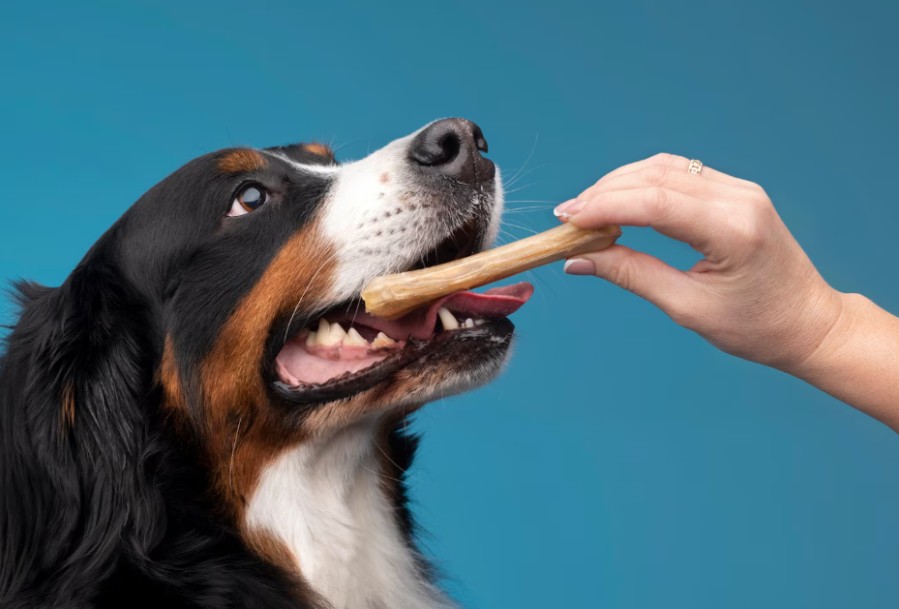

Rawhide fills pet store shelves, so most people assume it’s fine. It’s not fine. The more you learn about how rawhide gets made and what it can do to dogs, the less comfortable you become giving it to an animal you care about. Choking happens. Blockages happen. The chemical processing involved is less than appetizing when you look into the details.
Smart dog owners want alternatives that let dogs chew safely without the emergency vet visit lottery. Let’s talk about what actually works better.
1. The Processing Behind Rawhide Is Legitimately Gross
That rawhide bone went through quite a journey before landing in your shopping cart. Chemical baths, bleaching, and preservatives that extend shelf life indefinitely. It’s not just hide that got dried in the sun. It’s hide that got turned into a shelf-stable industrial product through processes you probably don’t want to picture while your dog chews on it.
Beyond the processing, there’s the practical danger. Dogs chew rawhide into mushy, sticky bits that become trapped in throats or intestines with surprising frequency. Veterinarians encounter this frequently enough that they actively advise consumers to avoid rawhide altogether. When vets warn you not to do anything, listen to them rather than dismissing it as an overreaction.
2. Antlers Last So Long They’re Almost Ridiculous
Elk Antler dog chews are absurdly durable compared to basically every other option. Dogs can work on the same antler for weeks or months without making obvious progress. They’re natural without processing concerns, they don’t splinter into dangerous shards like some alternatives, and they skip all the chemical treatment issues entirely.
Aggressive chewers who destroy normal chews in minutes finally meet their match with antlers. They’re hard enough to provide lasting entertainment, but not so hard that they crack teeth when dogs chew normally. Plus, they don’t smell terrible the way some chews do, which you’ll appreciate when your dog settles in next to you on the furniture to gnaw contentedly.
3. Size Matching Matters More Than You Think
Any chew you give your dog needs to match their actual size and mouth. Too small and they swallow it whole, which defeats the purpose and creates a choking risk. Too large and they can’t effectively use it, which frustrates them and wastes your money.
People mess this up constantly. They buy whatever’s on sale or whatever packaging looks cute. Then they give their large dog something meant for toy breeds or vice versa. Look at your dog. Look at the chew. Ask yourself if the size makes logical sense. It’s not complicated, but it requires thirty seconds of thought.
4. Supervise New Chews Until You Understand Your Dog’s Approach
Never give your dog something new and walk away immediately. Watch what they do with it first. Some dogs chew carefully and methodically, taking their time. Other dogs attack chews like they’re mortal enemies that must be destroyed quickly. Your dog is one of these types, and you must know which.
If your dog attempts to ingest huge bits immediately away, the chew is not safe for them, regardless of what the package indicates. Dogs have varied chewing styles. What works safely for one might create problems for another. Initial supervision catches issues before they become expensive veterinary emergencies.
Conclusion
Better options than rawhide exist, and they’re not hard to find. Elk antler dog chews provide durability and safety. Size the chew properly for your dog. Supervise new chews until you know how your dog handles them. Rotate between different safe types for variety.
Dogs need to chew, but that doesn’t mean they have to take the risks associated with rawhide. Use safer options that allow your dog to chew without causing a catastrophe.
